8 Evidence-Based PEMF Therapy Benefits for Musculoskeletal Recovery
Musculoskeletal injuries are among the most common conditions treated in chiropractic, physical therapy, sports medicine, and pain management clinics. From tendon strain and joint inflammation to chronic back pain and post-surgical stiffness, these issues can limit mobility, disrupt daily life, and slow long-term recovery.
Traditional recovery methods, rest, medication, physical therapy, or injections, can be effective, but many patients continue to search for solutions that go beyond symptom relief. This has led clinicians to explore more advanced, non-invasive solutions that support recovery at the cellular level rather than simply masking symptoms. PEMF therapy has become one of the most promising technologies in that shift toward regenerative care.
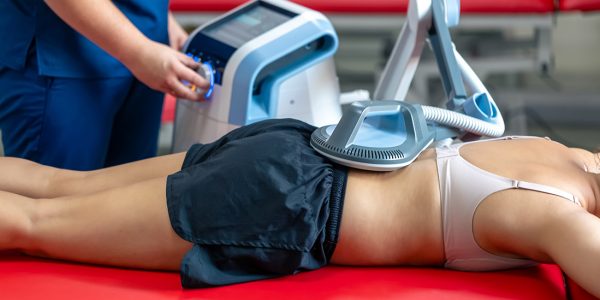
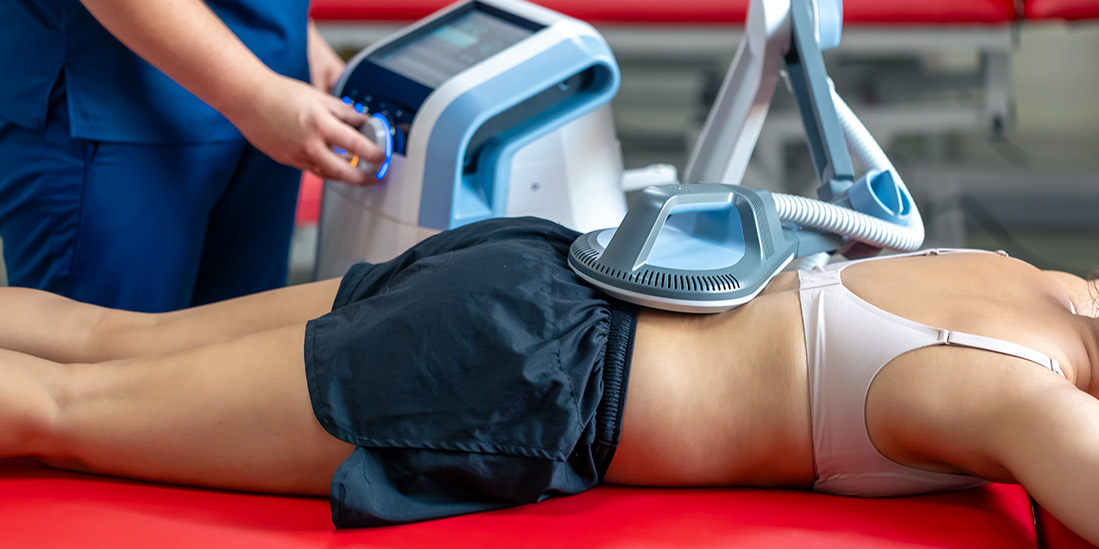
Pulsed Electromagnetic Field (PEMF) therapy delivers low-frequency electromagnetic waves into injured tissue, helping restore cellular energy, improve circulation, and accelerate cellular function without drugs or invasive procedures. These magnetic pulses help recharge depleted cells, supporting the body’s natural healing response in a safe and controlled way, without discomfort or downtime.
Originally cleared by the FDA in 1979 for non-union fractures, PEMF therapy has expanded significantly over the last decade. Today, it is widely used for musculoskeletal recovery, osteoarthritis support, chronic pain management, and post-operative rehabilitation across rehabilitation and sports medicine settings.
At MYOSYTE™, this technology is made more accessible to clinics through flexible leasing options, hands-on training, and practice support, allowing providers to deliver cutting-edge recovery solutions without major upfront investment.
PEMF Therapy and Musculoskeletal Recovery: What the Research Supports
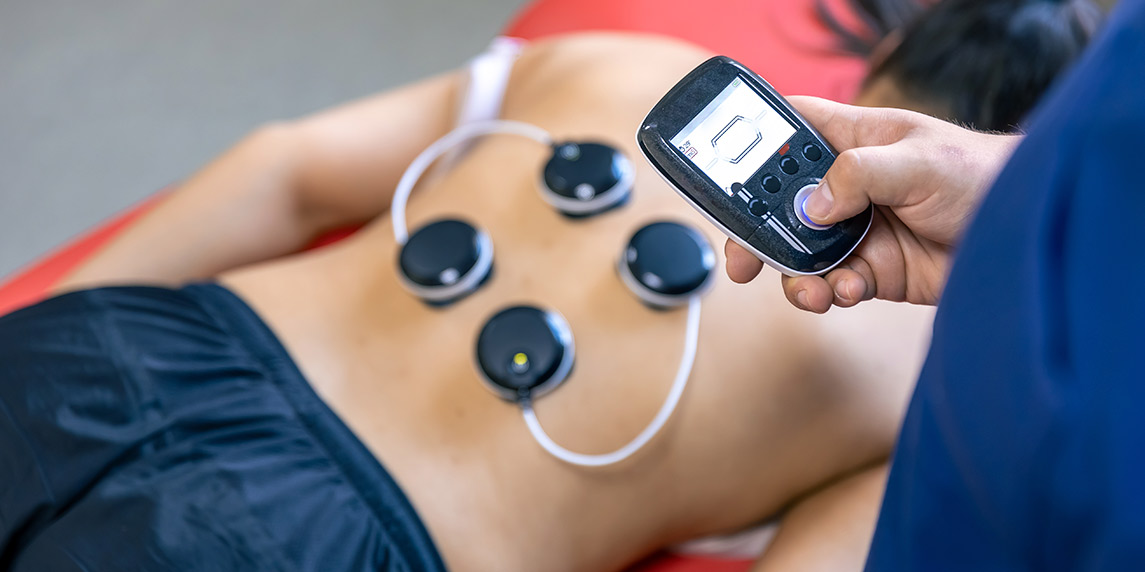
PEMF therapy has gained attention because it targets one of the most overlooked factors in healing: cellular energy and communication. When injury occurs, affected tissues often experience reduced oxygenation, inflammation buildup, and impaired cellular metabolism. By improving cellular communication and oxygen absorption, PEMF therapy helps restore the internal conditions required for healing, making it a powerful addition to musculoskeletal rehabilitation plans.
Clinicians across chiropractic, physical therapy, pain management, and sports recovery increasingly use PEMF because it is:
- FDA-cleared
- Non-invasive and painless
- Easy to integrate into treatment plans
- Supported by growing clinical evidence
Below are eight evidence-based benefits that make PEMF therapy a valuable tool for musculoskeletal recovery and pain management.
1. Accelerates Tissue Repair and Regeneration
One of the most widely recognized benefits of PEMF therapy is its ability to stimulate tissue regeneration. PEMF supports cellular metabolism, helping damaged cells recover faster and improving the body’s natural repair response.
This is especially beneficial for:
- Muscle strains
- Tendon injuries
- Ligament irritation
- Bone healing support
For practices treating musculoskeletal injuries, PEMF therapy provides a clinically grounded approach to recovery enhancement.
2. Helps Reduce Inflammation at the Source
Inflammation is a leading contributor to pain, swelling, and delayed recovery. PEMF therapy has demonstrated anti-inflammatory effects by influencing cytokine activity and oxidative stress pathways
This makes it particularly useful for:
- Osteoarthritis
- Chronic joint pain
- Post-surgical inflammation
- Tendon overuse injuries
Reducing inflammation helps patients regain function sooner while minimizing long-term tissue breakdown.
3. Enhances Circulation and Oxygen Delivery
Healing depends heavily on blood flow. PEMF therapy supports circulation by encouraging dilation of capillaries and improving oxygen and nutrient delivery to injured tissues. Better circulation also helps remove metabolic waste that contributes to soreness and stiffness.
Clinically, this improved vascular response can shorten recovery timelines and improve comfort during rehabilitation.
4. Provides Drug-Free Pain Management for Acute and Chronic Conditions
Pain management is one of the most common reasons patients seek musculoskeletal care. PEMF therapy helps reduce pain by influencing nerve sensitivity and relaxing muscle tension at the cellular level.
Research supports its effectiveness for:
- Low back pain
- Joint discomfort
- Post-operative pain
- Chronic inflammatory pain conditions
Patients seeking non-invasive recovery options respond well to PEMF-based protocols.
5. Improves Range of Motion and Functional Mobility
Musculoskeletal recovery is not complete until patients regain movement. By reducing inflammation and supporting tissue repair, PEMF therapy helps restore joint flexibility and functional mobility.
Patients often report improvements in:
- Range of motion
- Daily activity tolerance
- Muscle recovery
- Long-term comfort
For rehabilitation providers, PEMF therapy can accelerate return-to-function goals.
6. Offers a Non-Invasive Treatment Option That Fits Modern Care Plans
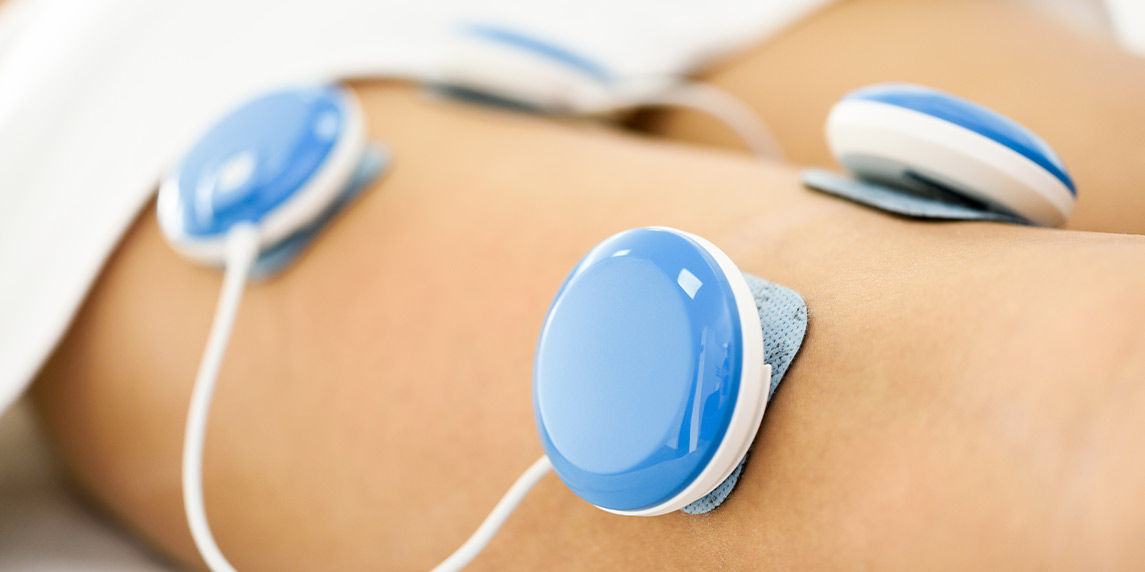
Today’s patients increasingly prefer conservative, non-invasive therapies. PEMF therapy sessions are painless, typically lasting about 30 minutes, and require no downtime.
This makes PEMF therapy ideal for:
- Conservative care pathways
- Patients avoiding injections or surgery
- Clinics offering integrative rehabilitation
It delivers meaningful clinical value without adding procedural complexity.
7. Supports Better Sleep and Overall Well-Being
Musculoskeletal pain often disrupts sleep, mood, and quality of life. PEMF’s ability to reduce discomfort and improve cellular recovery can contribute to improved sleep quality and overall wellness.
These secondary benefits create a positive recovery cycle: better sleep supports healing, and healing supports better sleep. This holistic improvement increases patient satisfaction and adherence to care plans.
8. Complements Physical Therapy, Chiropractic Care, and Laser Modalities
One of PEMF therapy’s greatest strengths is its ability to work alongside other evidence-based treatments. Clinics often combine PEMF therapy with:
- Physical therapy rehabilitation
- Chiropractic care
- Class IV laser therapy
- Post-surgical recovery programs
This multimodal approach helps providers optimize outcomes without replacing existing services.
Leasing PEMF Therapy Devices for Clinics: The MYOSYTE™ Model
For many practices, the biggest barrier to adopting PEMF therapy is not clinical value, it’s affordability. Advanced rehabilitation equipment often requires substantial upfront investment.
MYOSYTE™ changes that equation through an affordable leasing model that allows practices to access FDA-cleared PEMF systems without heavy upfront expense. Devices such as the PER 2000 Junior or PER 2000 Mini make this technology realistic for clinics of all sizes.
Beyond equipment access, MYOSYTE™ supports practices with:
- Hands-on onboarding and training
- Protocol guidance for musculoskeletal conditions
- Workflow integration support
- Revenue-generating service expansion opportunities
This combination of technology and implementation expertise helps clinics deliver better outcomes while building long-term growth.
With PEMF sessions typically lasting only 30 minutes, clinics can efficiently serve more patients while offering a highly in-demand modality in pain management and recovery care.
How to Add PEMF Therapy to Your Practice
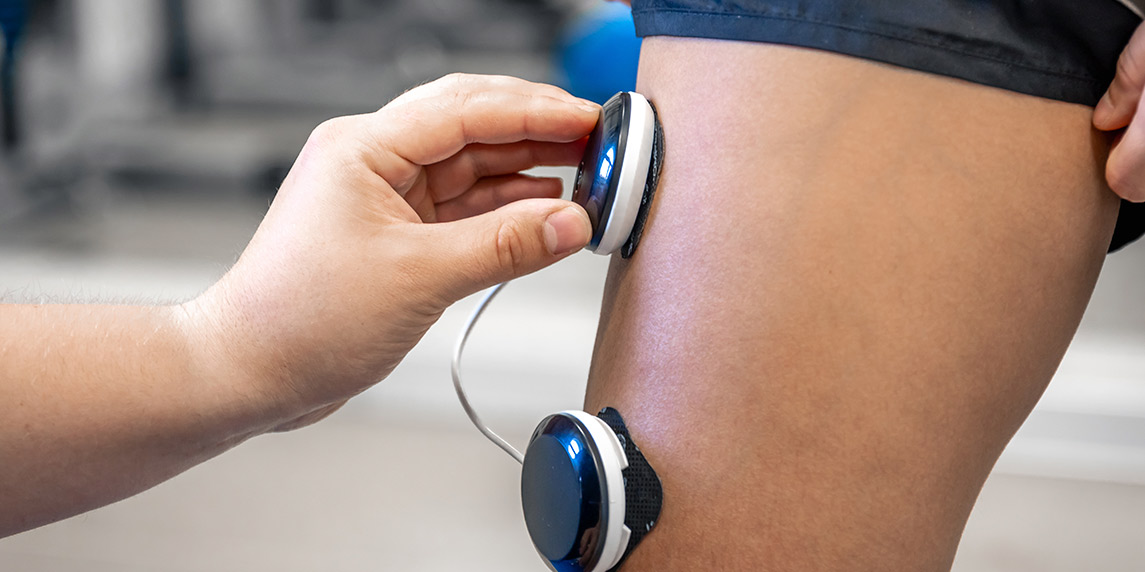
If you’re ready to bring PEMF therapy into your clinic, a structured approach ensures successful integration.
Here are practical first steps for clinics:
- Evaluate patient demand and clinical fit
Identify common conditions treated in your practice, joint pain, chronic inflammation, sports injuries, or post-surgical recovery, where PEMF therapy can enhance results. - Explore leasing options through MYOSYTE™
Flexible PEMF therapy equipment leasing makes adoption realistic for practices of any size.
Train your team for confident delivery
With proper education staff can administer PEMF therapy effectively and consistently within care plans. - Track outcomes and refine protocols over time
Monitoring patient response helps optimize treatment strategies and strengthens clinical positioning.
Unlock the Future of Non-Invasive Recovery
PEMF therapy is no longer an emerging trend. It is an evidence-based, FDA-cleared modality that supports musculoskeletal recovery, pain management, inflammation reduction, circulation improvement, and drug-free pain relief.
For providers, PEMF therapy offers a powerful way to expand rehabilitation services, improve patient outcomes, and deliver modern non-invasive recovery care.
MYOSYTE™ makes adopting this technology easier through accessible leasing, expert training, and practice-focused support. Explore MYOSYTE™ PEMF therapy leasing solutions and contact us today and bring the future of recovery care into your clinic.