Treating Runner’s Knee With Shockwave Therapy
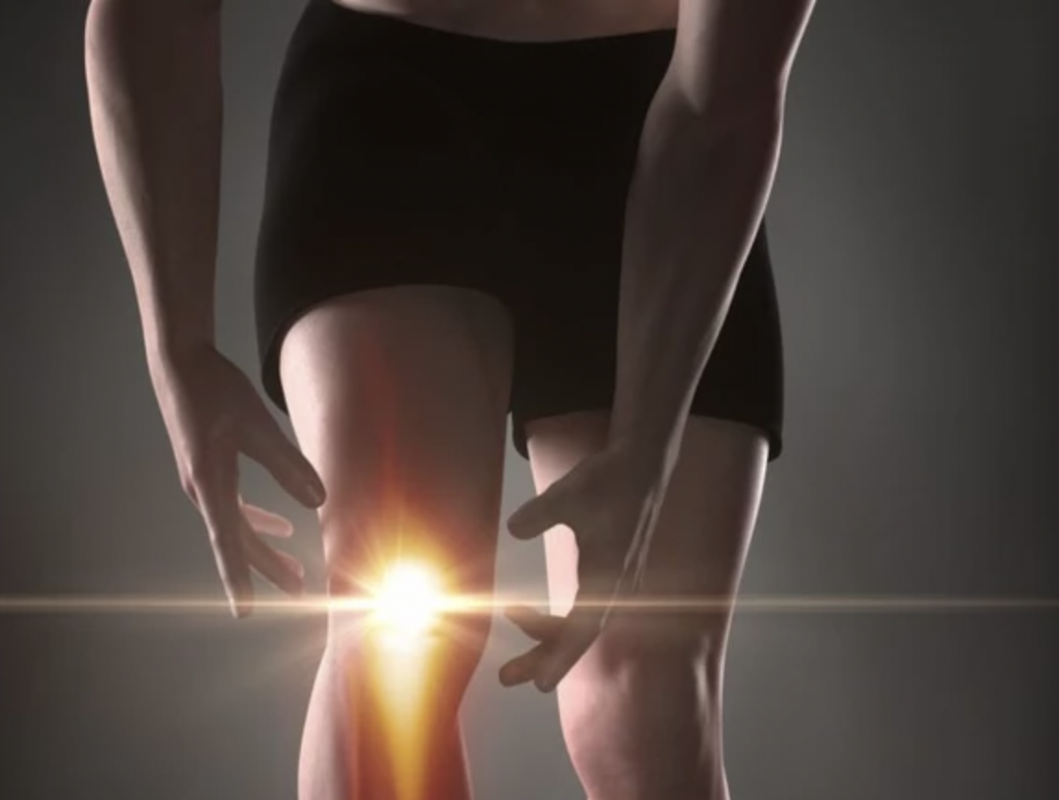
Chondromalacia patellae, better known as Runner’s Knee, is an injury in which sufferers experience pain beneath the knee, due to irritation and swelling on the underside of the kneecap (patella). As the cartilage in the knee softens and breaks down and the femur rubs directly against the kneecap, the pain may worsen.
Runner’s Knee is commonly seen in physically active people of all ages, particularly those who participate in sports such as cycling, soccer, gymnastics, basketball, rowing, volleyball, and skateboarding. These and other sports put a great deal of strain on the knees, and often involve movements that aren’t typical of normal walking motions.
The most common symptom of Runner’s Knee is pain in the knee, particularly behind the patella or at the front of the knee. This pain is most often felt after long periods of sitting, and may worsen when squatting or using stairs. Other symptoms include swelling, and a feeling of grinding or grating in the knee.
Shockwave Therapy Treatment
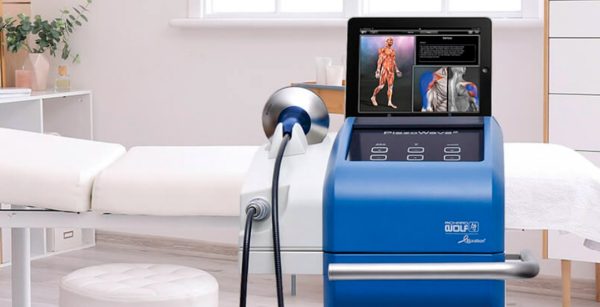
Chondromalacia patellae both involves irritation of and damage to the kneecap. Because this involves injury to cartilage, Runner’s Knee is an ideal candidate for treatment with shockwave therapy (ESWT). ESWT is a non-surgical treatment which utilizes high-energy acoustic waves to stimulate and massage injured soft tissues. This stimulation reduces swelling and improves blood flow to the affected area, kick-starting the body’s natural healing processes.
MYOSYTETM’s shockwave therapy is an FDA-cleared treatment which has been shown in numerous studies to be effective in eliminating and reducing pain related to tendonitis and ailments of the soft tissue, such as Runner’s Knee. Shockwave treatment reduces inflammation, stopping recurring irritation to affected areas and allowing healing to take place.
Thanks to its non-invasive nature, shockwave therapy is preferable to many inherently risky alternative forms of treatment, the use of painkillers to control pain, or even surgery. While the underlying reasons for shockwave therapy’s effectiveness are not currently understood, multiple studies have proven it to be effective in treating Runner’s Knee and other related disorders.
Other forms of therapy, such as laser therapy and pulsed electromagnetic field therapy, also show promise in treating Runner’s Knee and related disorders.