How to Maximize Tax Benefits with Year-End Medical Equipment Purchases

As the final quarter unfolds, healthcare practices have an opening to strengthen both their tax position and their clinical capabilities. Year-end equipment investments are strategic financial decisions that support immediate tax benefits and long-term operational growth. By acquiring and placing equipment in service before December 31st, practices may qualify for substantial deductions, including the 2024 Section 179 allowance of up to $1,220,000.
Why Timing Matters for Your Bottom Line
Before evaluating specific tax tools, it’s important to understand the timing advantages that shape year-end decisions:
- Immediate tax benefits rather than postponing deductions into the next tax cycle
- Equipment must be purchased and placed in service by December 31st to qualify
- Improved cash flow that enables reinvestment into new services and operational upgrades
While tax incentives open the door for savings, the operational benefits are equally valuable. Modern technology expands treatment capabilities, enhances patient outcomes, and strengthens your competitive position. With the medical device market projected to approach $1 trillion by 2032, clinics that invest intentionally now are better equipped to meet increasing patient expectations and service demand.
Core Tax Deductions and Opportunities for Medical Equipment Purchases

Understanding the main tax incentives allows clinics to build a sound, structured investment plan. The following deductions have the greatest impact on the year-end purchasing strategy.
Section 179 Deduction: Immediate Expensing Advantage
Section 179 allows practices to write off the full cost of qualifying equipment in the same year it is placed in service. This creates a powerful opportunity to expand clinical capabilities while reducing taxable income.
Key Benefits of Section 179
- Full deduction of equipment cost in the current tax year
- Maximum 2024 deduction: $1,220,000, reduced dollar-for-dollar after $3,050,000 in total equipment purchases
- Applies to diagnostic systems, treatment devices, computers, and clinical furnishings
Bonus Depreciation: Additional Write-Off Opportunities
For practices that reach Section 179 limits, Bonus Depreciation provides another means of reducing taxable income.
How Bonus Depreciation Strengthens Tax Savings
- Allows a 60% deduction on qualified new or used equipment placed in service between Dec. 31, 2023 and Jan. 1, 2025
- Can be used after Section 179 to maximize total deductions
- Especially valuable for high-cost systems such as imaging devices, surgical units, and next-generation diagnostic platforms
The Financial Impact on Your Practice
Purchasing equipment strategically can create both immediate and long-term advantages.
What Clinics Can Expect
- Lower taxable income, sometimes enough to shift into a more favorable tax bracket
- Significantly improved short-term cash flow, supporting reinvestment in operations
- A $100,000 purchase may yield $30,000+ in tax savings, depending on the tax bracket applied
Important Deadlines and Requirements
To secure these benefits, clinics must meet specific IRS criteria.
What Must Be Completed Before December 31st
- Equipment must be purchased and in service before the deadline
- Must be used more than 50% for clinical or business purposes
- Election must be filed through IRS Form 4562
- Consultation with a tax advisor is recommended to confirm eligibility and compliance
Strategic Timing and Financing Options for Practice Growth
The right timing and financing approach help clinics expand capability without undermining liquidity. Year-end planning allows practices to strengthen both immediate financial outcomes and long-term service offerings.
Year-End Timing: Why It Works
Acting before year-end allows practices to secure current-year deductions and position new equipment for use as demand increases in the new year.
Benefits of Acting Before December 31st
- Maximizes this year’s deductions
- Frees up cash for staffing, marketing, and operational improvements
- Positions the practice to launch new services early in the next calendar cycle
Evaluating Cash Purchases, Financing, and Leasing
How a practice funds equipment will shape cash flow, growth potential, and upgrade flexibility.
Considerations When Choosing a Payment Strategy
- Cash purchases: full ownership with no interest, best for strong liquidity
- Financing: preserves working capital while still allowing Section 179 deduction on the full cost
- Leasing: reduces upfront cost and simplifies future upgrades
Financing Options Designed for Medical Practices
Healthcare has access to multiple funding paths tailored to clinical environments.
Sources of Financing That Support Long-Term Stability
- Traditional bank loans with lower rates but higher qualification hurdles
- Equipment-specific financing through medical lenders with healthcare-focused terms
- Vendor financing or pay-per-use models that tie expenses to utilization
Integrating Equipment Purchases Into Financial Strategy
Each purchase should strengthen both immediate tax outcomes and long-range operational goals.
Planning Steps That Support Sustainable Growth
- Match equipment purchases to long-term service expansion and patient care priorities
- Review how each acquisition affects depreciation schedules and tax positions
- Build a multi-year capital plan that maximizes tax benefits across fiscal cycles
- Measure expected ROI through patient outcomes, utilization rates, and operational improvements
Best Practices for Business Optimization and Long-Term Financial Planning

Disciplined planning ensures each investment delivers measurable clinical and financial impact. These practices help clinics make confident, well-supported decisions.
1) Aligning Technology With Market Needs
Successful investments reflect the clinical and competitive realities of today’s healthcare landscape.
How to Evaluate the Strategic Fit of New Equipment
- Conduct market research to identify shifting patient needs and emerging treatment trends
- Review current equipment utilization to locate performance gaps
- Prioritize technologies that elevate patient experience, efficiency, and service capacity
2) Tax Strategy and Professional Guidance
Reliable tax planning avoids missteps and supports full eligibility for available incentives.
Why Expert Input Matters
- Ensures proper application of Section 179 and Bonus Depreciation rules
- Confirms qualification and documentation requirements
- Provides guidance for completing IRS Form 4562 accurately
3) Documentation and Asset Management
Accurate tracking protects your practice and supports smoother reporting.
Documentation Standards That Reduce Risk
- Maintain acquisition and installation records
- Confirm correct asset categorization for depreciation
- Keep detailed data for audit preparedness and long-term capital planning
4) Measuring ROI With Structure and Clarity
Every technology should deliver definable, trackable value.
How to Evaluate Performance After Acquisition
- Establish baseline benchmarks before installation
- Track improvements in patient satisfaction, productivity, and service utilization
- Use these metrics to shape future purchasing decisions
Strengthen Your Practice with High-ROI Technology from Myosyte
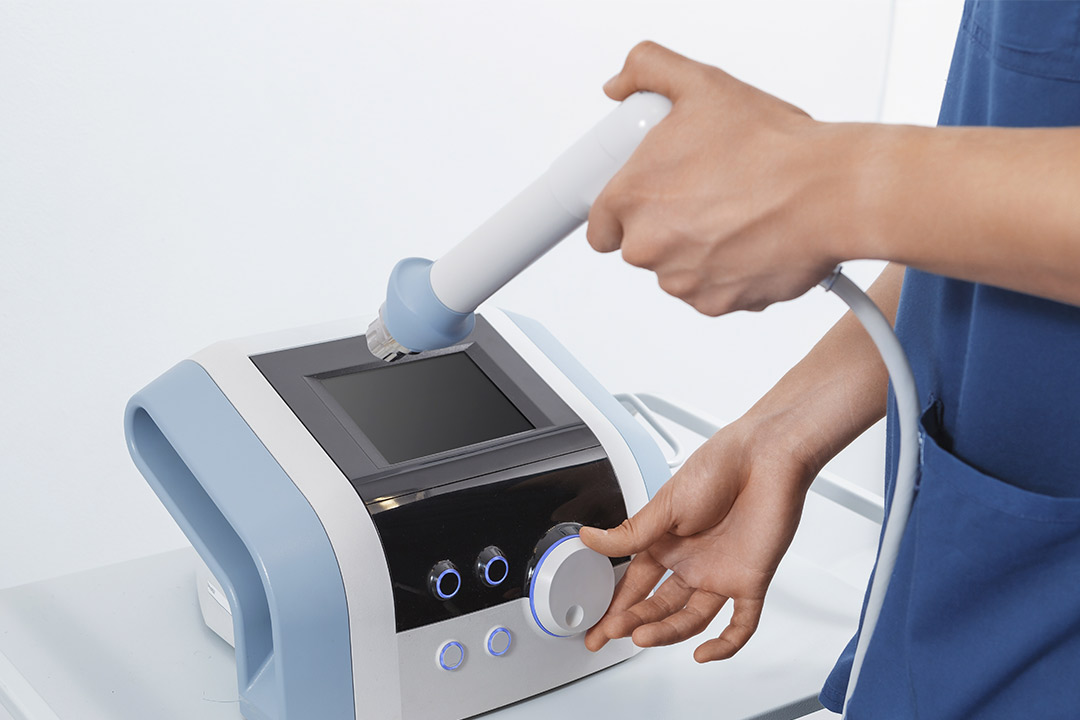
As the year draws to a close, clinics have a valuable opportunity to reduce taxable income, expand service offerings, and elevate patient care. Section 179 allows you to deduct the full purchase price of qualifying medical devices, improving cash flow while accelerating your ability to deliver advanced treatment options.
Myosyte supports this growth with high-ROI therapeutic and recovery technologies designed to elevate clinical outcomes, expand revenue streams, and position your practice for long-term success. If you’re planning strategic upgrades, now is the ideal time to evaluate your options.
Visit Myosyte to explore performance-driven medical technologies and secure year-end advantages for your practice.