How Acoustic Compression Therapy Machines Transform Sports Injury Treatment
Athletes today are expected to recover quickly and return to training with minimal interruption. Whether competing professionally or staying active recreationally, time away from sport affects conditioning, performance consistency, and long-term physical health. Recovery is no longer viewed as a passive process. Athletes and clinicians now look for treatment options that actively support tissue repair while helping reduce pain and movement restrictions.
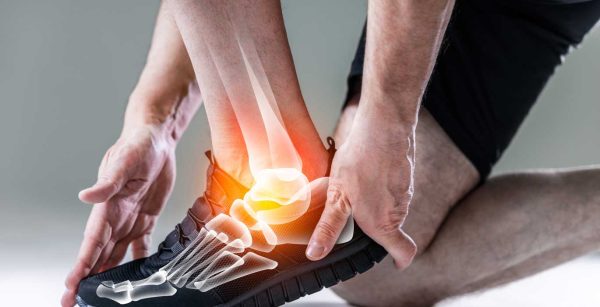
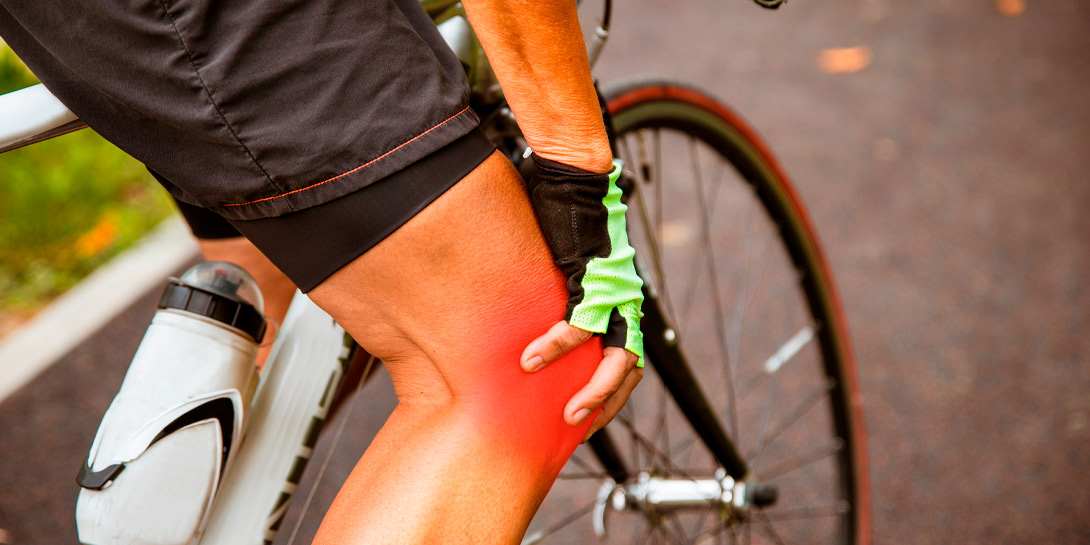
Sports-related musculoskeletal injuries continue to affect millions of athletes every year. Research shows that these injuries account for nearly 64% of all recreational sports injuries. Muscle strains, tendon injuries, repetitive stress conditions, and connective tissue dysfunction can all limit performance and delay return-to-play timelines.
Conventional approaches such as rest, ice, compression, elevation, and standard rehabilitation protocols still play a role in recovery. However, many athletes require additional support to improve tissue healing, restore mobility, and reduce recovery time.
Common frustrations athletes face during recovery include:
- Long rehabilitation timelines
- Reduced flexibility and range of motion
- Ongoing inflammation and soreness
- Recurrent injuries caused by incomplete healing
- Dependence on pain medication for temporary relief
- Difficulty returning to pre-injury performance levels
As sports medicine continues to evolve, clinics are increasingly integrating advanced technologies that target recovery more directly. One of the most widely discussed developments is the use of the acoustic compression therapy machine in rehabilitation and performance care.
What Is Acoustic Compression Therapy?
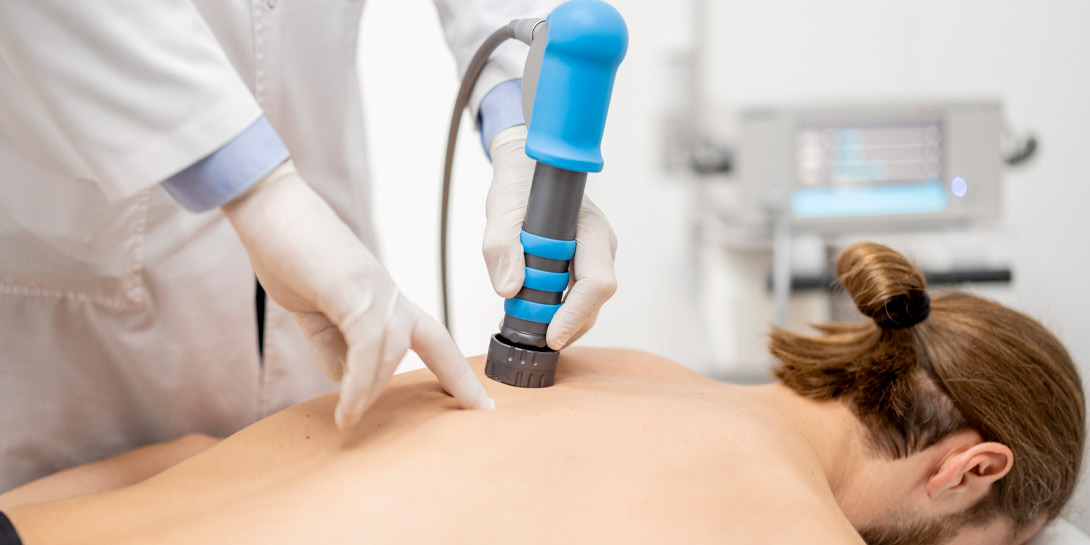
Acoustic compression therapy is a non-invasive treatment approach that uses focused acoustic waves to target injured or restricted soft tissue. The therapy is designed to stimulate natural healing responses while improving circulation, mobility, and tissue function.
In sports therapy environments, the technology is commonly used to address:
- Muscle tightness
- Tendon injuries
- Trigger points
- Scar tissue restrictions
- Overuse injuries
- Chronic pain conditions
Myosyte’s MyACT® technology uses focused acoustic waves to create controlled tissue compression at targeted depths. Unlike therapies that rely on heat generation, MyACT® delivers mechanical stimulation directly into the affected tissue.
The treatment is often described as a highly focused deep tissue therapy that reaches structures difficult to access through manual techniques alone.
How an Acoustic Compression Therapy Machine Works
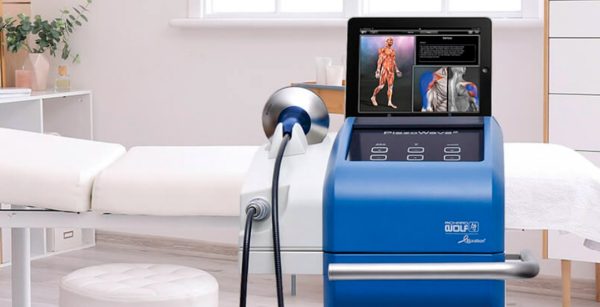
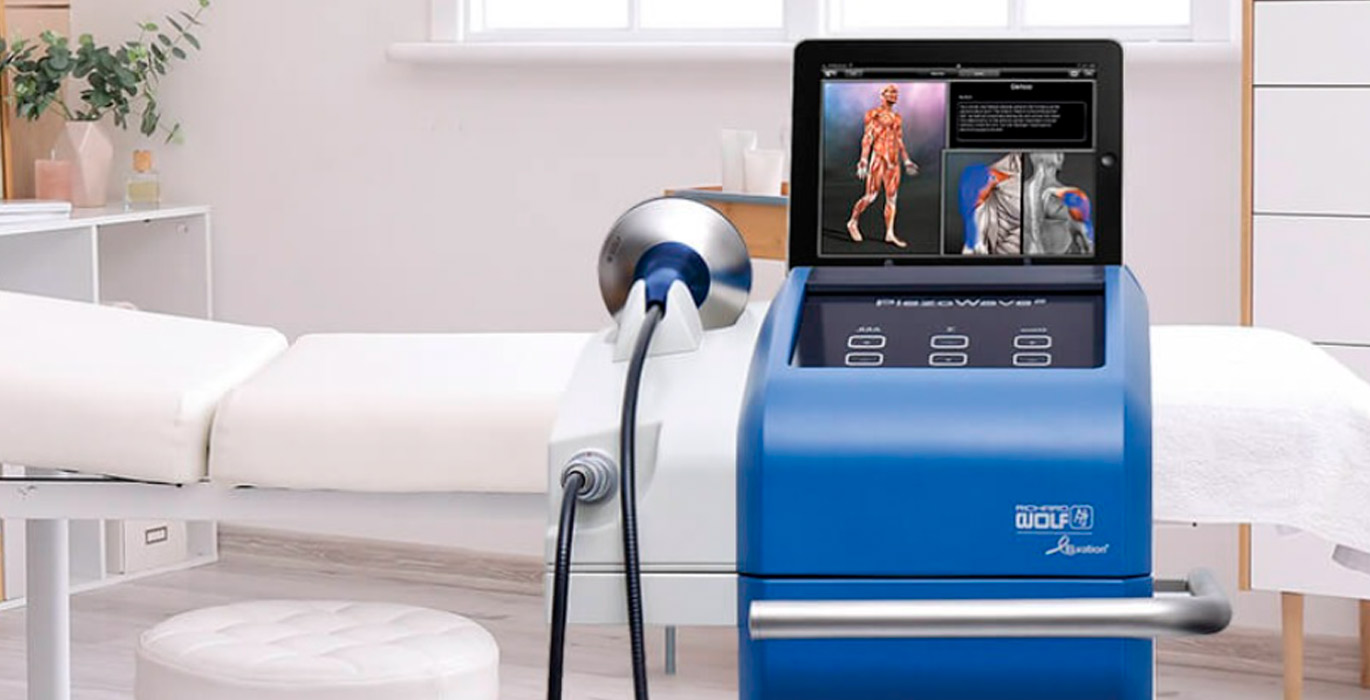
An acoustic compression therapy machine generates focused sound waves that travel into soft tissue at adjustable depths. MyACT® technology allows clinicians to target precise areas in 5 mm increments, helping improve treatment accuracy.
The PiezoWave2 system used in MyACT® creates controlled compression pulses within the tissue rather than continuous vibration or thermal heating. This mechanical stimulation supports several physiological responses associated with recovery and tissue repair.
Key Effects of Acoustic Compression Therapy
| Therapeutic Effect | How It Supports Recovery |
| Improved blood circulation | Delivers oxygen and nutrients to injured tissue |
| Cellular stimulation | Encourages natural tissue repair processes |
| Scar tissue breakdown | Helps restore mobility and reduce restrictions |
| Reduced inflammation | Supports pain reduction and healing |
| Improved tissue flexibility | Enhances movement and functional performance |
This approach has become increasingly valuable in sports therapy settings where athletes need targeted treatment without extended downtime.
Why MyACT® Stands Out in Sports Therapy
Myosyte positions MyACT® as a focused, non-invasive solution that supports both rehabilitation and athletic recovery. The technology is FDA-registered and designed specifically for soft tissue treatment and musculoskeletal recovery.
Several features distinguish MyACT® from traditional treatment modalities.
Differences Between MyACT® and Conventional Therapies
| Traditional Approaches | MyACT® Acoustic Compression Therapy |
| Often symptom-focused | Targets underlying tissue dysfunction |
| May rely on medication | Drug-free treatment approach |
| Generalized treatment areas | Adjustable focal depth for precision |
| Heat-based modalities common | Mechanical compression without heat |
| Longer rehabilitation cycles | Supports accelerated recovery timelines |
Because treatment sessions generally last between 5 and 20 minutes, athletes can often incorporate therapy into existing training and rehabilitation schedules.
Conditions Commonly Treated With Acoustic Compression Therapy
An acoustic compression therapy machine is frequently used in the treatment of both acute and chronic musculoskeletal conditions. Many sports injuries involve repetitive strain, tissue overload, or movement restrictions that respond well to focused acoustic stimulation.
Common Injury Treatment Applications
- Plantar fasciitis
- Achilles tendinopathy
- Tennis elbow
- Rotator cuff dysfunction
- Shin splints
- Trigger points
- Muscle strains
- Repetitive stress injuries
Conditions such as plantar fasciitis and chronic tendon injuries are often difficult to manage with conventional rehabilitation alone. Focused acoustic compression helps stimulate tissue activity while reducing restriction and discomfort.
Athletes dealing with recurring soft tissue issues frequently benefit from improved flexibility and reduced pain during movement.
How Acoustic Compression Supports Faster Recovery
One of the primary goals in injury treatment is restoring function while minimizing unnecessary downtime. Acoustic compression therapy works by stimulating natural repair mechanisms already present within the body.
The focused compression waves produced by MyACT® create localized mechanical stimulation that promotes:
- Increased circulation
- Enhanced nutrient delivery
- Tissue regeneration support
- Reduced muscular tension
- Improved range of motion
This combination is especially important in sports medicine because mobility restrictions and tissue tightness often contribute to compensatory movement patterns and future injuries.
Recovery Benefits Reported by Athletes
Clinical findings on acoustic compression therapy in sports injuries reported:
- Average pain reduction of 3.33 points
- Improved range of motion in 16 out of 18 athletes
- 55% return-to-sport rate following treatment
These outcomes demonstrate why acoustic compression continues to gain attention in modern rehabilitation programs.
The Role of Acoustic Compression in Athletic Performance
Recovery technologies are no longer used only after injuries occur. Many athletes now integrate therapies proactively to maintain tissue quality and reduce physical stress associated with training and competition.
In high-performance environments, MyACT® treatment is often incorporated to support:
- Post-workout recovery
- Muscle maintenance
- Flexibility improvement
- Soft tissue mobility
- Recovery between competitions
Improved recovery efficiency allows athletes to train more consistently while reducing the impact of accumulated tissue strain.
Why Athletes Are Turning to Acoustic Compression
Athletes and clinicians increasingly prefer therapies that are:
- Non-invasive
- Drug-free
- Efficient
- Targeted
- Compatible with active training schedules
Because MyACT® treatments do not require surgical recovery or medication management, athletes can often continue modified activity during treatment programs.
Why Clinics Are Adding Acoustic Compression Therapy Machines
Sports medicine clinics, chiropractic practices, rehabilitation centers, and performance facilities continue expanding their treatment offerings to meet growing demand for advanced recovery technologies.
Adding an acoustic compression therapy machine provides practices with a versatile treatment option that supports both patient outcomes and practice growth.
Benefits for Sports Therapy Clinics
| Clinical Advantage | Practice Impact |
| Short treatment sessions | Increased scheduling flexibility |
| Broad injury applications | Expanded patient treatment options |
| Non-invasive care | Greater patient acceptance |
| Performance recovery support | Attracts athletic clientele |
| FDA-registered technology | Added treatment credibility |
Research referenced by Myosyte also notes that practices implementing MyACT® technology have experienced approximately 25% growth in their client base.
The Growing Future of Acoustic Compression Therapy
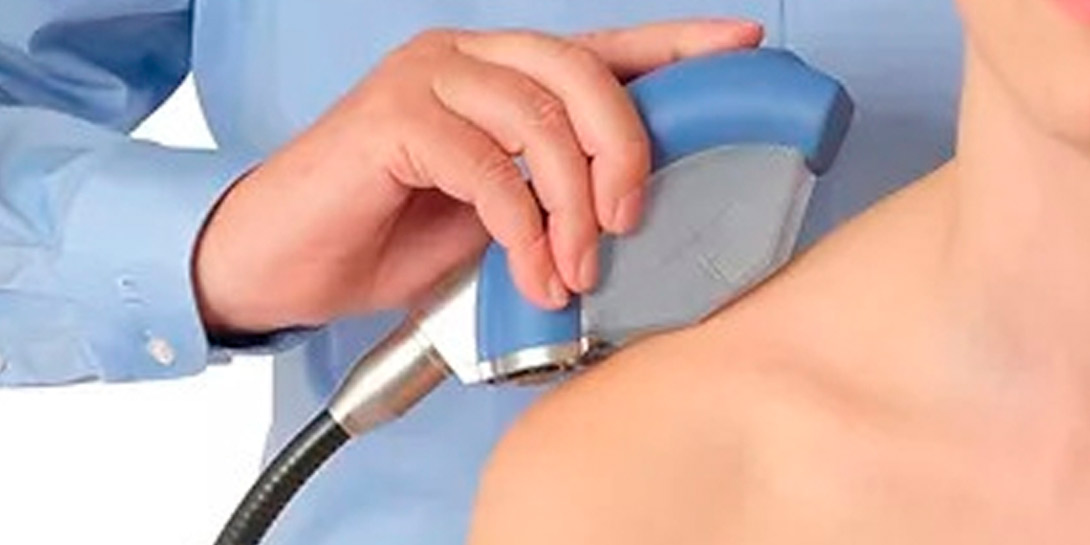
The sports medicine industry continues moving toward technologies that improve recovery while reducing treatment barriers. Acoustic compression therapy aligns with this direction by combining targeted tissue treatment with efficient session times and non-invasive care.
As medical technology adoption continues growing, clinics are increasingly seeking treatment solutions that support both rehabilitation and athletic performance. The global medical device market is projected to grow substantially through 2032, creating continued expansion opportunities for technologies such as MyACT® .
For athletes, coaches, and clinicians, the ability to support faster recovery while maintaining mobility and tissue health remains a major priority.
Bringing Advanced Injury Treatment Into Your Practice
Myosyte’s MyACT® technology gives clinics access to focused acoustic compression therapy designed for modern sports medicine and rehabilitation environments. From tendon injuries and soft tissue dysfunction to mobility restrictions and chronic pain conditions, MyACT® supports targeted, non-invasive care that helps athletes recover more efficiently.
With flexible leasing options, clinical support, and advanced treatment technology, Myosyte helps practices integrate effective recovery solutions without compromising operational flexibility. Clinics looking to expand their sports therapy and injury treatment capabilities can leverage MyACT® to deliver precise, performance-focused care that keeps athletes moving forward.
Explore how MyACT® can strengthen your clinic’s recovery and rehabilitation services by connecting with the Myosyte team today.